Intro: Safety First for South Hill, WA Homes
If you live in South Hill, WA, planning a garage door installation means thinking beyond aesthetics. Safe garage door installation protects your family from mechanical hazards, prevents weather-related damage, and reduces long-term repair costs. This guide focuses on practical steps homeowners can take before, during, and after installation so the job goes smoothly in our Pacific Northwest climate.
1. Plan and Prepare: Reduce Risks Before the Installer Arrives
Preparation cuts site risks. Before any garage door installation, clear the workspace and check the structure around the door opening.
Site checklist
- Clear vehicles, bikes, and stored items from the garage and driveway.
- Trim shrubs and remove loose debris near the garage opening to improve access and visibility.
- Verify electrical access for the opener and mark any low-hanging lights or fixtures.
- Confirm the concrete threshold is level and free of large cracks; an uneven floor affects door seals and balance.
If you want a full scope review of services and options for weatherproofing and insulation, check our detailed service offerings at https://garagedoors-southhill.com/services.
Pre-installation safety steps
- Inspect existing door hardware for rusted anchors or cracked fittings you’ll want replaced during the installation.
- Request a written parts list and safety features from the installer—tension systems, safety cables, and sensors should be specified.
- Plan a staging area where installers can keep tools and removed components off the driveway to avoid trip hazards.
2. During Installation: What to Watch For
Professional installers follow a consistent sequence during a residential garage door installation. Knowing that sequence helps you confirm the work is being done safely and efficiently.
Safe handling of springs and cables
Torsion and extension springs store dangerous energy. During any garage door installation, only qualified technicians should adjust or remove springs. Never attempt to loosen or install springs without proper tools and training—incorrect handling is a leading cause of serious injury.
Proper anchoring and fasteners
Installers should use the correct anchors for your wall material and verify connections into solid framing where possible. Ask to see torque specs or fastener schedules for overhead tracks and bracket mounts—this reduces the chance of failure in wind or seismic events common to Washington state.
Opener installation and electrical safety
- Openers should be mounted on secure framing with proper clearances for belt or chain travel.
- All wiring must be grounded and routed away from moving parts; licensed electricians handle permanent wiring and outlets when required.
- Insist on testing the safety sensors and the opener’s force settings before the crew leaves. Sensors must stop the door reliably if an obstacle interrupts the beam.
3. Tools, PPE, and Who Should Do the Work
Choosing the right contractor and confirming their equipment reduces household liability. A safe garage door installation requires specific tools and protective gear.
Tools and equipment to expect
- Spring winding bars (for torsion spring work) and proper vise grips.
- Heavy-duty ladders, torque wrenches, and impact-rated anchors.
- Portable lighting for dim garages and protective mats to keep removed parts contained.
Personal protective equipment (PPE)
Technicians should wear eye protection and gloves. If installers cut or grind metal parts on-site, they should use hearing protection and masks. Ask your contractor about their PPE policy before they arrive.
Do-it-yourself vs. licensed pros
Homeowners can handle low-risk tasks like weatherstrip replacement or keypad programming, but major work—especially spring replacement and opener wiring—should be done by licensed professionals. For local projects, consider service providers experienced with South Hill residential designs and regional weather patterns.
4. Post-Installation Checks and Ongoing Safety
After a proper garage door installation, a short checklist ensures your investment stays safe and functional.
Immediate post-install tests
- Balance test: with the opener disconnected, the door should stay put when positioned halfway up.
- Auto-reverse test: place an object in the door path to confirm the door reverses reliably.
- Force setting check: the installer should demonstrate and document safe force settings for closing and opening.
Seasonal maintenance to keep it safe
- Lubricate rollers, hinges, and bearings at least twice a year—spring and fall—to prevent frozen parts during Seattle-area winters.
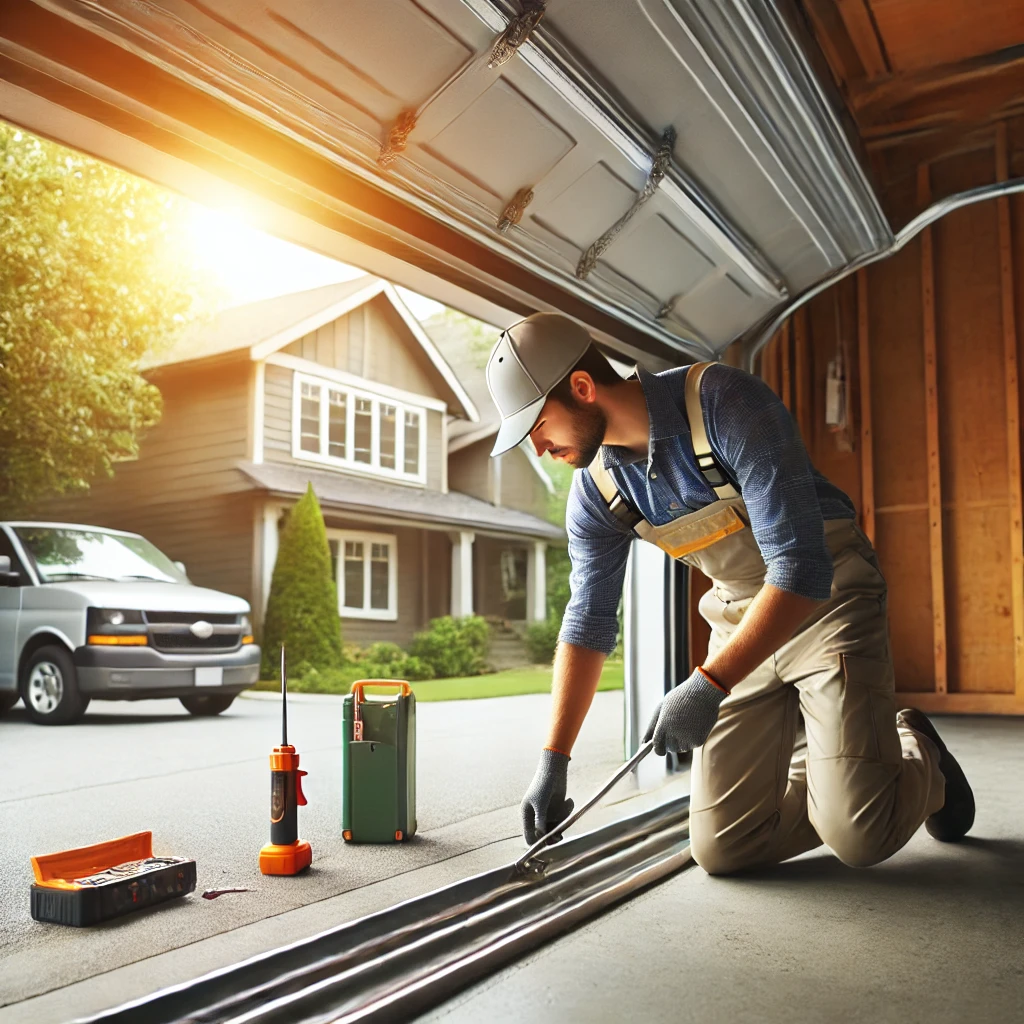
- Inspect weatherstripping for cracks or gaps; replace to prevent drafts and water intrusion.
- Schedule a professional safety inspection every 12–24 months if you use the door frequently.
If you want homeowner-friendly maintenance tips and seasonal reminders, our team posts regular guidance on safety and upkeep at https://garagedoors-southhill.com/blog.
5. Local Considerations: Weather, Permits, and Timing in WA
South Hill’s wet winters and occasional freeze-thaw cycles influence part selection and installation timing. Choose corrosion-resistant hardware and sealed insulation packages to prevent warping and rust.
Permits and code awareness
Most residential garage door installation projects that only replace the door size-for-size do not need structural permits. However, if you change header framing, add windows, or alter electrical wiring for a new opener, you may need permits or inspections. Check Pierce County guidelines or ask your contractor to confirm permit requirements before work begins.
Typical timeline
A standard residential install usually takes 4–8 hours, depending on door size, opener complexity, and any framing work. Schedule installations on dry days when possible—wet conditions slow work and complicate anchor settings.
When to Call a Pro and How to Contact Local Help
If you notice loud grinding noises, inconsistent movement, or visible spring damage during or after a garage door installation, stop using the door and call a qualified technician. For scheduling, warranty verification, or emergency advice, reach out directly through our contact page to arrange an inspection.
https://garagedoors-southhill.com/contact
Safe installations combine correct parts, licensed skills, and homeowner awareness. Follow this guide to minimize risk and extend the life of your new garage door.
Frequently Asked Questions — South Hill, WA
Do I need a permit for a garage door replacement in South Hill?
Simple like-for-like replacements generally do not require a structural permit, but altering header framing, adding electrical circuits, or changing the opening size may trigger permitting. Check Pierce County rules or ask your installer to confirm before work begins.
How long does a typical residential garage door installation take?
Most residential installs in South Hill take 4–8 hours depending on door size, opener complexity, and whether framing or electrical work is included. Weather and access can affect the timeline.
What seasonal checks should I do for a new garage door in WA weather?
Inspect weatherstripping and seals each season, lubricate rollers and hinges twice a year, and check for rust or water intrusion after heavy rains. Use corrosion-resistant hardware to resist Pacific Northwest moisture.
What price range should homeowners expect for a safe installation?
Costs vary by door type, insulation, and opener. A basic steel door with standard opener starts lower, while insulated or custom doors with smart openers and professional spring systems increase cost. Ask installers for a detailed written estimate and parts list.
Are warranties and safety inspections offered locally?
Look for installers who provide written warranties on parts and labor and who offer post-install safety checks. A documented inspection that tests balance, sensors, and force settings provides added peace of mind.
Helpful local resources in South Hill, WA
- Garage Door Repair Seattle
- Garage Door Repair Bellevue
- Garage Door Repair Redmond
- Garage Door Repair Kirkland
- Garage Door Repair Mercer Island
- Garage Door Repair Edmonds
- Garage Door Repair Issaquah
- Garage Door Repair Tacoma
- Garage Door Repair Everett
- Garage Door Repair Bothell
- Garage Door Repair Sammamish
- Garage Door Repair Renton
- Garage Door Repair Lynnwood
- Garage Door Repair Woodinville
- Garage Door Repair University Place
- Garage Door Repair Gig Harbor
- Garage Door Repair Lakewood
- Garage Door Repair Puyallup
- Garage Door Repair Mukilteo
- Garage Door Repair Vancouver
- Garage Door Repair Kenmore
- Garage Door Repair Burien
- Garage Door Repair Auburn
- Garage Door Repair South Hill
- Garage Door Repair Yarrow Point
- Garage Door Repair Clyde Hill
- Garage Door Repair Port Townsend
- Garage Door Repair Duvall
- Garage Door Repair Snoqualmie